
Understanding the Importance of Running Shorts
If you have ever tried to maintain a running routine in California, you already know that the state is basically a giant, beautiful meteorological contradiction. One moment you are stepping out of your front door into a thick, bone-chilling marine layer in San Francisco, cursing yourself for not wearing an extra layer; two hours later, you are baking under a blinding, unshielded UV glare while tackling a sun-baked fire road in the Santa Monica Mountains.


Running in the Golden State is an absolute dream for the senses—you get dramatic ocean cliffs, towering redwoods, desert vistas, and bustling urban boardwalks all in one weekend. But logistically? It is a masterclass in microclimates.
Because your body goes from shivering to sweating through your shirt in a matter of miles, finding the right pair of running shorts isn’t just about looking cute or checking a box on your gear list. It is literal survival equipment. A bad pair of shorts will trap sweat, collect sea salt, chafe you to raw agony on mile four, or leave you shivering when the coastal wind kicks up.
Whether you are logging casual miles down the strand in San Diego, crushing grueling technical single-tracks in Marin County, or just trying to survive a 95-degree heatwave in the Central Valley, here is everything you need to consider to find your holy-grail running shorts for California’s wild weather.
The Non-Negotiable Anatomy of a California Running Short
Not all running shorts are created equal. When you are dealing with California’s unique mix of coastal humidity, dry inland heat, salt air, and relentless sunshine, standard gym shorts simply won’t cut it. Here is what you should be looking for on the clothing tags:
1. High-Performance, Fast-Drying Technical Fabrics
Forget heavy cotton blends or cheap synthetics that hold onto moisture like a sponge. When you sweat through a morning run in Los Angeles or catch coastal mist in Big Sur, you need fabrics that actively pull moisture away from your skin and evaporate it at lightning speed. Look for lightweight woven nylon-spandex blends or perforated polyester grids. They offer a featherlight, barely-there feel while drying almost instantly when the sun breaks through the fog.
2. Bulletproof Anti-Chafe Liners
California long runs are notorious for creating a cocktail of friction: you’ve got sweat, sea salt from the ocean air, and sometimes even fine beach sand that migrates into your waistband. If your shorts don’t have a reliable inner liner, you are asking for trouble. Look for buttery-soft boxer-brief liners (the absolute gold standard for preventing inner-thigh chafe) or ultra-smooth mesh liners that stay in place and don’t ride up when you climb steep hills.
3. Pocket Architecture for the Modern Runner
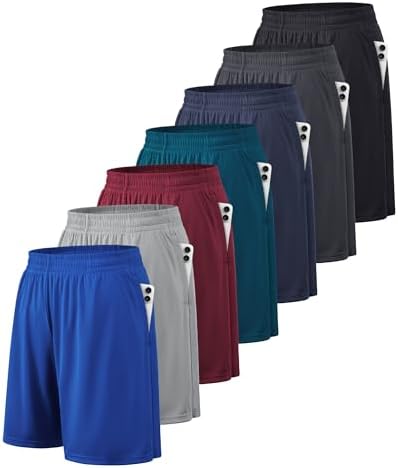
Let’s be honest: we all run with our phones now—whether it’s for music, tracking our route on Strava, or snapping that post-run sunset photo at the beach. Plus, you need somewhere to stash a gel, car keys, or an ID card. California runners love shorts with deep, bounce-free drop-in side pockets or secure zippered rear pockets that keep your tech glued to your hip without slamming against your legs as you move.
4. Built-In Sun Protection (UPF Ratings)
When the California sun comes out, it doesn’t play around. While you should always slather on the sunscreen, shorts featuring built-in UPF 50+ sun protection offer an invaluable layer of defense against harsh UV rays, especially during long, exposed weekend efforts where sunscreen tends to sweat off.
Finding Your Match: Best Short Styles by California Terrain
Different parts of the state demand different gear strategies. Here is how to match your shorts to your exact running environment:
The Coastal Road Warrior (SoCal Pavement & Beach Paths)
- The Vibe: Breezy, minimalist, fast, and weightless.
- Where You’ll Wear It: Running from Santa Monica to Venice, cruising the Embarcadero in San Diego, or hitting the boardwalks.
- What to Look For: Shorter inseams (think 3 to 5 inches) or performance split shorts that give your legs total freedom of movement. Because coastal running means dealing with sticky air and ocean breezes, look for ultra-lightweight, high-ventilation materials that won’t cling to your legs when you start heating up.
The Trail Master (NorCal & Mountain Single-Tracks)
- The Vibe: Durable, utility-driven, and hyper-secure.
- Where You’ll Wear It: Tackling Mount Tamalpais, the Marin Headlands, Griffith Park dirt trails, or scaling foothill fire roads.
- What to Look For: Trail-specific shorts crafted from rugged four-way stretch woven fabrics. You want material that won’t easily snag or tear when you brush against sharp manzanita branches or overgrown brush. Multiple pockets are a must here so you can stash extra hydration gels, electrolyte chews, and safety whistles without needing a bulky running vest for shorter loops.
The All-Day Lifestyle Hybrid (The Run-to-Erratands Look)
- The Vibe: Supportive, versatile, and modest.
- Where You’ll Wear It: A quick morning neighborhood jog that flows directly into a farmers market stroll, a surf check, or an iced matcha run.
- What to Look For: Form-fitting 2-in-1 biker-short styles. These have exploded in popularity because they provide the compression and coverage of yoga shorts combined with the breezy, casual look of an outer athletic shell. They completely eliminate thigh chafing, provide deep side pockets that swallow a smartphone whole, and look chic enough that you won’t feel awkward grabbing brunch afterward.
Pro-Tips for Surviving (and Thriving in) a California Sweat Session
Even with the absolute best gear on the market, running in the Golden State requires a little bit of tactical know-how. Keep these golden rules in mind:
- Embrace the “Dawn Patrol”: If you are running during the scorching summer months in inland areas like the Valley or parts of SoCal, beat the UV index by starting your runs at sunrise. Just remember: early morning coastal air can be deceptively freezing. Dress in layers or choose shorts that dry quickly so you aren’t shivering during the first mile of your pre-dawn miles.
- Don’t Forget the Body Glide: Salt air, sweat, and friction are a ruthless combination. Even if your shorts have a great liner, keeping a stick of anti-chafe balm handy for long weekend runs is an inexpensive insurance policy against raw skin.
- Treat Your Technical Fabrics Right: Sunscreen, sweat, salt water, and body oils will quietly destroy the elasticity of your favorite running shorts if you aren’t careful. Always wash your technical gear in cold water on a delicate cycle, skip the fabric softener (it ruins moisture-wicking fibers), and always hang them up to air dry. Never throw technical running shorts into a high-heat dryer unless you want the elastic waistbands to warp and give out within a month.
Final Thoughts
At the end of the day, a truly great pair of running shorts should completely disappear the moment you start moving. They shouldn’t ride up, they shouldn’t bounce around when you carry your phone, and they shouldn’t leave you soaked and miserable halfway through your workout.
Whether you are chasing a misty Pacific ocean breeze or grinding your way up a steep, dusty mountain climb under a blazing blue sky, investing in high-performance, weather-ready running shorts will completely transform your mileage. Grab your favorite pair, lace up your sneakers, and go claim your miles!
Choosing the right running shorts is a critical factor for any athlete who prioritizes both comfort and performance during their runs. Running shorts are specifically designed to meet the unique needs of runners, offering benefits that standard shorts often do not provide. First and foremost, comfort is paramount. When engaging in physical activity, freedom of movement is essential. Running shorts facilitate this by featuring a cut that allows for a full range of motion, reducing the chances of chafing and discomfort.
Additionally, the fabric used in most running shorts is crafted from moisture-wicking materials that enhance breathability. This is incredibly important during exercise, as it helps to draw sweat away from the body. Keeping the skin dry can significantly improve comfort and, consequently, performance during runs. As temperatures rise, the breathability of running shorts ensures that runners stay cooler, allowing for longer, more enjoyable runs.
Furthermore, the performance aspect of running shorts cannot be underestimated. Many models include built-in features such as pockets for storing essentials, as well as reflective elements for visibility in low-light conditions. These enhancements not only contribute to convenience but also promote safety for outdoor runners. Understanding the significance of selecting appropriate running shorts is crucial for maximizing training effects and enhancing overall running experiences.
In essence, running shorts serve as a vital piece of equipment for anyone embarking on a running journey. They provide comfort, keep the wearer cool, and offer practical benefits that support performance objectives. Therefore, taking the time to choose the right pair of running shorts can lead to improved outcomes and a more satisfying run.
Different Types of Running Shorts: Which One is Right for You?
Choosing the right running shorts is essential for an enjoyable and effective workout experience. Various styles of running shorts cater to different preferences, body types, and performance needs. Understanding the options available can help runners select the best fit for their activities.
Split Shorts are a popular choice among competitive runners. Featuring side slits, these shorts allow for maximum mobility and ventilation, which is particularly beneficial during high-intensity training. The lightweight fabric used in split shorts enhances comfort and reduces drag, making them ideal for race day or speed workouts.
Compression Shorts, on the other hand, are designed to fit snugly against the body. These shorts provide support to the muscles, which can help reduce fatigue during longer runs. Compression shorts also improve blood circulation and may aid in quicker recovery post-workout, making them suitable for athletes who regularly engage in extended training sessions.
For those who prefer a bit more coverage, longer running shorts offer a versatile option. Typically hitting above the knee, these shorts can be a good balance between comfort and freedom of movement. They are suitable for all levels of runners and can be worn in various weather conditions without compromising on performance. The extra length also provides an added level of modesty for those who may prefer it.
The choice between split shorts, compression shorts, and longer options ultimately depends on individual preferences and running styles. It is essential to consider factors such as the type of activity, weather conditions, and personal comfort when making this decision. Each style offers unique benefits that can enhance a runner’s performance and overall experience.
Fabric Matters: Choosing the Best Material for Running Shorts
When it comes to selecting running shorts, the choice of fabric is pivotal in ensuring comfort, performance, and durability during your runs. Various materials have distinct characteristics that cater to different runner needs. Understanding these fabrics can significantly enhance your running experience.
One of the most commonly used materials in running shorts is polyester. This synthetic fabric is renowned for its lightweight and moisture-wicking properties. Polyester effectively draws sweat away from the body, keeping runners dry and comfortable even during intense workouts. It also holds up well against wear and tear, ensuring that your shorts remain intact through countless miles. Additionally, polyester is quick-drying, which is a significant advantage if you are caught in the rain or finish a sweaty run.
Nylon is another popular choice among runners. This fabric is known for its excellent tensile strength and durability. It is particularly effective in resisting abrasions, making nylon shorts an ideal option for trail runners or those who often run in rugged environments. Similar to polyester, nylon also possesses moisture-wicking capabilities. However, it may not be as breathable as its counterpart, which could lead to a warmer feel during extended wear. Therefore, choosing a pair of nylon shorts with added ventilation features could mitigate this concern.
While synthetic materials dominate the market, cotton is a natural fiber that some runners still prefer. Although cotton provides comfort and a soft feel against the skin, it is important to recognize its drawbacks. Cotton tends to absorb moisture rather than wick it away, which can leave runners feeling damp and heavy. Additionally, it takes longer to dry, potentially leading to chafing and discomfort on longer runs.
In summary, the choice of materials—polyester, nylon, and cotton—each has its pros and cons that can affect your comfort and performance during running. Prioritizing moisture-wicking and durable fabrics will significantly enhance your overall running experience. When selecting running shorts, consider your specific needs and the fabric that best aligns with them for optimum performance.
The Right Fit: How to Measure for Running Shorts
Finding the perfect fit for running shorts is essential for maximizing comfort and performance during your runs. Incorrect sizing can lead to distractions, discomfort, and even chafing. To ensure your running shorts fit you properly, several measurements need to be considered including waist size, leg length, and leg openings.
Measuring Waist Size: The first step in selecting the right running shorts is to measure your waist. This should be done at the narrowest part of your torso, typically located just above your belly button. Use a soft measuring tape and wrap it snugly around your waist without pulling too tight. Take note of your measurement in inches and refer to the brand’s sizing chart, as sizes can vary between manufacturers.
Determining Short Length: Next, you should consider the length of the shorts. Running shorts come in various lengths, from very short to knee-length options. A good way to measure the length is to try on a pair of shorts that you currently find comfortable. You can also measure from the top of your hip down to your desired length, typically ending somewhere between mid-thigh and just above the knee for optimal freedom of movement.
Evaluating Leg Openings: The leg openings of running shorts also play a crucial role in fit and comfort. To measure this, you can assess how the fabric falls around your thighs. Ideally, you want enough room for your legs to move freely while running. Test the fit by performing a few strides; you should not feel any constriction or pulling.
Finally, some brands offer running shorts with adjustable features (e.g., drawstrings or elastic bands) that can help achieve a better fit regardless of small measurement discrepancies. Ensuring a comfortable and secure fit will not only enhance your running experience but also boost your confidence on the track or trail. Proper measuring is fundamental in finding shorts that combine style and function effectively.
Features to Look for in Quality Running Shorts
When selecting the right pair of running shorts, it is essential to consider various features that can greatly enhance your performance and comfort during runs. One of the primary features to look for is a built-in liner. This additional layer provides support and reduces friction, which can significantly mitigate the risk of chafing. A well-designed liner also helps to wick away moisture, keeping you cool and dry throughout your run.
Pockets are another crucial feature that many runners appreciate. Functional pockets can safely store small essentials like keys, cards, or energy gels, allowing you to focus on your run without the hassle of carrying additional items. Look for running shorts with secure and accessible pocket options, such as side seam or rear zippered pockets, to keep your belongings safe while you move.
Reflective elements are vital for those who run in low-light conditions. These features can enhance visibility to others, thereby increasing safety during evening or early morning workouts. Choose running shorts that incorporate reflective strips or logos, ensuring that you are seen on the road or trail.
Moreover, anti-chafing technology is an essential aspect of quality running shorts. Fabrics constructed with anti-chafe properties can make a noticeable difference in your running experience. Look for shorts with flat seams to minimize friction and irritation against the skin. The type of material used in the shorts is also important; moisture-wicking fabrics help to reduce sweat buildup, contributing to overall comfort.
In conclusion, investing in quality running shorts equipped with features such as built-in liners, functional pockets, reflective elements, and anti-chafing technology can significantly enhance your running experience. These elements not only contribute to your comfort but also ensure that you’re safe and focused during your runs, ultimately supporting your performance goals.
Seasonal Considerations: Choosing Running Shorts for Different Weather Conditions
When selecting running shorts, it is essential to take into account seasonal changes that can significantly affect your comfort and performance. Different weather conditions necessitate varying considerations to ensure that you are adequately equipped to handle the elements while staying active.
In warm weather, such as during summer runs, you should prioritize lightweight and breathable fabrics. Look for shorts that are made from moisture-wicking materials which help in moving sweat away from the body, keeping you cool and dry. Features such as mesh panels or vented designs increase airflow and further enhance comfort levels. Opting for shorter inseams can also provide better mobility and ventilation.
Conversely, as temperatures drop during the colder months, it may be beneficial to choose running shorts that offer a bit more coverage. Look for styles with integrated tights or layering options, which can help maintain warmth while allowing for ease of movement. Fabrics that provide thermal insulation or are designed to repel wind can be advantageous, as they help protect against harsh weather conditions without sacrificing comfort.
In rainy or unpredictable weather, consider shorts that provide some level of water resistance. While completely waterproof options may not be necessary, look for materials that are treated to repel moisture while allowing breathability. Additionally, reflective elements can enhance visibility in low-light conditions, ensuring safety during your runs.
Ultimately, selecting the right running shorts depends on understanding seasonal fluctuations and personal preferences. Each weather condition presents unique challenges, and by considering factors such as fabric technology, length, and design, you can make informed decisions that enhance your running experience regardless of the climate.
Popular Brands and Recommendations for Running Shorts
In the competitive landscape of running apparel, several brands have carved out a reputation for producing high-quality running shorts that cater to various preferences and performance needs. This section reviews some of the leading brands, highlighting popular models and what distinguishes them in terms of quality and performance.
One notable brand is Nike, known for its innovative design and technology. The Nike Dri-FIT running shorts are particularly favored due to their moisture-wicking capabilities, which keep runners dry and comfortable during intense workouts. These shorts often feature an elastic waistband and a variety of inseam lengths, catering to both men and women.
Another strong contender in the running shorts market is Adidas. The Adidas Response running shorts are praised for their lightweight fabric and breathability. Their Climalite technology helps to manage sweat effectively, allowing for optimum comfort on long runs. The brand’s commitment to sustainability is also noteworthy, with options made from recycled materials, appealing to environmentally conscious consumers.
Under Armour offers athletic shorts that stand out for their unique 4-way stretch construction, allowing for unhindered movement. The Under Armour Launch model is particularly popular among runners, featuring a lightweight design with mesh side panels for enhanced ventilation. This brand focuses on performance-oriented features, including anti-odor technology, ensuring that runners remain fresh throughout their activity.
Brooks is another brand that specializes in running gear, with their essential running shorts earning high praise. The Brooks Distance Shorts are designed for long-lasting comfort, with an adjustable waistband and soft inner lining to reduce chafing. The attention to detail in their design makes them a favorite among long-distance runners.
Finally, New Balance offers a diverse selection of running shorts, such as the NB Accelerate model, which is known for its lightweight and quick-drying materials. This brand cleverly balances style and performance, providing options that appeal to serious athletes and casual enthusiasts alike.
Care Tips: How to Maintain Your Running Shorts
Caring for your running shorts is essential to ensure their longevity and preserve their performance features, such as moisture-wicking properties and elasticity. Whether you frequently engage in intense workouts or enjoy leisurely runs, following proper washing and maintenance protocols can significantly enhance the lifespan of your shorts.
First and foremost, it is important to read the care label on your running shorts. Manufacturers often provide specific instructions regarding the appropriate washing temperatures and methods. Typically, washing your shorts in cold water is advisable, as this helps to maintain the fabric’s elasticity and overall shape.
When it comes to washing detergents, opt for a mild, biodegradable detergent. Harsh chemicals can degrade the fabric’s fibers and diminish their moisture-wicking capabilities. Avoid using fabric softeners, as they can leave residue on the shorts, affecting breathability and moisture management.
Moreover, it is preferable to wash your running shorts inside out. This practice helps protect the outer fabric from friction and prevents pilling caused by other garments during the wash cycle. Additionally, consider using a mesh laundry bag to safeguard your shorts further from potential wear and tear.
After washing, hang your shorts to air dry instead of using a dryer. Heat from the dryer can cause fibers to break down over time, interfering with the material’s performance attributes. Air drying ensures that your shorts retain their fit and elasticity, helping to extend their lifespan.
Lastly, store your running shorts in a cool, dry place. Avoid leaving them crumpled in a gym bag for extended periods, as moisture can lead to mold and unpleasant odors. Following these care tips will help maximize the durability and performance of your running shorts, allowing you to focus on your runs without worry.
Conclusion: Finding Your Perfect Pair of Running Shorts
In conclusion, selecting the right running shorts is crucial for an enjoyable and effective running experience. The importance of comfort, style, and performance cannot be overstated, as these factors significantly impact your overall satisfaction during physical activities. From understanding various materials to recognizing the importance of fit, each aspect plays a pivotal role in your decision-making process.
When choosing running shorts, consider the type of fabric that best suits your needs. Fabrics that wick moisture away from the body ensure you stay dry and comfortable, especially on longer runs. Additionally, the cut and length of the shorts impact your freedom of movement; styles range from fitted designs to looser fits, depending on personal preference. Ultimately, the right fit enhances not only your performance but also your confidence.
Temperature and climate are also essential considerations. In warmer weather, lighter and breathable options will help regulate body temperature, while in cooler conditions, you may want to opt for slightly longer styles or layers. Furthermore, do not overlook the significance of practical features such as pockets and reflective elements, which contribute to both utility and safety while running.
Lastly, always prioritize trying on various options to determine which pair feels best against your skin. Comfort should be at the forefront of your choice, as it directly correlates with your ability to focus on your run rather than discomfort from your apparel. Remember, the perfect pair of running shorts will blend seamlessly into your routine, allowing you to concentrate on achieving your fitness goals. With careful consideration and awareness of your unique preferences, finding the ideal pair of running shorts is within reach.