
Introduction to Dash Cam Adhesive Pads
Dash cam adhesive pads serve as a vital accessory for ensuring the secure installation of a dash cam within a vehicle. Unlike traditional suction mounts that rely on vacuum forces to hold the camera in place, adhesive pads utilize a strong adhesive backing to create a more permanent and stable attachment. This method addresses several limitations associated with suction mounts, particularly in varying weather conditions and fluctuating temperatures.
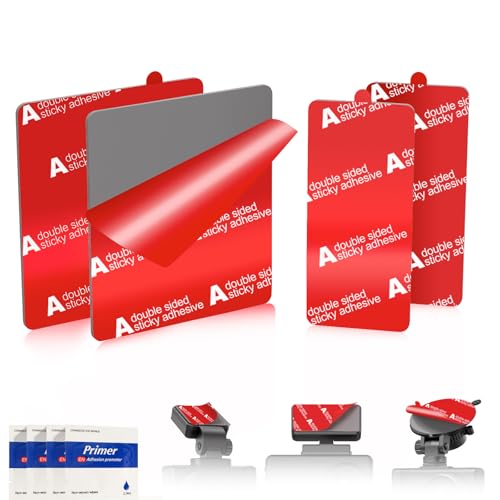

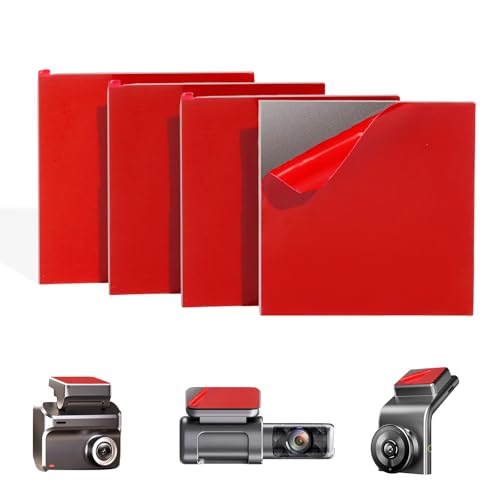

The importance of utilizing high-quality adhesive pads cannot be overstated. They provide a reliable solution that minimizes the risk of the dash cam becoming dislodged while driving, which is crucial for capturing clear footage. In contrast to suction mounts that may falter during excessive heat from direct sunlight or cold weather, adhesive pads maintain their grip, thus enhancing the security of the device.
Furthermore, dash cam adhesive pads often offer a sleek and unobtrusive appearance, which contributes to a cleaner interior aesthetic. This design choice is particularly beneficial for drivers who prefer to keep their dash cam discreet while optimizing their field of view. Moreover, the installation process of adhesive pads is generally straightforward, requiring mere alignment and pressure application rather than the complexities associated with suction mounts.
By choosing to utilize adhesive pads, drivers not only ensure the functional reliability of their dash cams but also enhance the overall user experience. The adaptability of dash cam adhesive pads to various surfaces allows them to be utilized effectively in different vehicle types and environments. As a result, understanding the role and functionality of these mounting solutions becomes essential for anyone looking to invest in a dash cam.
Types of Dash Cam Adhesive Pads
Dash cam adhesive pads are integral components for securely mounting dash cameras in vehicles. Various types of adhesive pads are available on the market, each designed to cater to differing needs and vehicle conditions. Understanding these types can help consumers make informed decisions.
One common variety of adhesive pad is the double-sided foam tape. This type is favored for its significant thickness and excellent shock absorption, which helps reduce vibrations while driving. Double-sided foam pads often boast good heat resistance and flexibility, making them suitable for various mounting surfaces, whether on windshield glass or textured dashboards.
Another prominent type includes rubberized adhesive pads. These pads are made from a flexible rubber material that provides excellent grip. Rubberized pads can adhere to both flat and slightly curved surfaces and tend to perform well in temperature extremes, making them ideal for regions with fluctuating weather conditions.
Sticky pads are also available in multi-pack options, such as 4pcs sticky pads, allowing for easier replacements over time. These pads are generally designed for convenience and provide a good balance between adhesion strength and ease of removal. Their lightweight design ensures that they do not add unnecessary bulk when mounting the dash cam.
Each type of pad offers unique benefits, with essential qualities such as heat resistance, durability, and ease of installation. A heat-resistant pad ensures that under direct sunlight, the adhesive remains strong enough to hold the dash cam firmly in place, whereas a durable pad can withstand the test of time and environmental factors without losing its adhesion properties.
Benefits of Using Heat Resistant Double-Sided Tape
When it comes to installing dash cams, the significance of heat resistant double-sided tape cannot be overstated. This specialized adhesive tape is designed to endure the often extreme temperatures inside vehicles, offering a reliable solution for securing dash cams in place. Unlike standard adhesives, which may weaken and detach in hot conditions, heat resistant tape maintains its bond, ensuring your dash cam remains securely mounted even in the sweltering summer heat.
Temperature fluctuations inside a vehicle can be dramatic, especially when parked in direct sunlight. Ordinary adhesives may lose their effectiveness, leading to potential accidents or damage if the dash cam falls off during critical moments. Heat resistant double-sided tape remains highly effective, preserving its adhesion and providing peace of mind that your dash cam will remain in position when you need it most.
Moreover, the use of heat resistant tape can enhance the overall installation process. Its robust nature allows for a strong and durable attachment that does not interfere with the aesthetics of your vehicle’s interior. This ensures that the dash cam remains inconspicuous, while also securing it properly for optimal performance. Additionally, the tape’s residue-free removal means you avoid leaving behind any sticky remnants if you ever decide to relocate or uninstall the dash cam.
In conclusion, opting for heat resistant double-sided tape is a prudent choice when installing dash cams. Its ability to withstand high temperatures and maintain adhesion ensures that your device stays firmly in place, providing both durability and reliability while you are on the road. This choice not only enhances the effectiveness of your dash cam but also reduces the risk of accidents attributable to device detachment, ultimately making it a critical component of any dash cam installation.
How to Choose the Right Adhesive Pads for Your Dash Cam
When selecting adhesive pads for your dash cam, several key factors come into play to ensure optimal performance and reliability. Given the varying designs and mounting requirements of dash cams, choosing the right adhesive pad can significantly affect installation and usage.
Compatibility is one of the foremost considerations. Dash cams come in different shapes and sizes, and it is crucial to ensure that the adhesive pad you choose is compatible with your specific model. Most manufacturers provide recommendations for adhesive pads that work well with their dash cams, so consulting the user manual or product specifications can be beneficial.
Another important factor is adhesive strength. The effectiveness of an adhesive pad is largely determined by its ability to hold the dash cam securely in place, particularly under varying temperatures and during driving conditions that may cause vibration. Look for pads that offer durable adhesion, such as those designed for automotive applications, as they typically withstand extreme temperatures and potential environmental impacts.
Furthermore, reading user reviews can provide valuable insights into the overall performance of the adhesive pads. Many users share their experiences regarding the ease of installation, the longevity of the adhesive, and whether it held up under dynamic driving conditions. This information can help you gauge which products are worth considering.
In addition to these factors, consider the pad’s material and thickness. Some users may prefer thicker pads for improved insulation against bumps and vibrations. Others might prioritize those made from specific materials that enhance the adhesive’s efficacy.
Ultimately, making an informed decision about the right adhesive pads for your dash cam can lead to a successful and secure installation, enhancing your overall experience and ensuring your device functions optimally.
Step-by-Step Installation Guide
Installing dash cam adhesive pads is a straightforward process, but following the right steps is crucial to achieving a secure and long-lasting bond. Here’s a detailed step-by-step guide to ensure proper installation.
1. Gather Your Materials: Before you begin, ensure you have all the necessary materials. You will need the dash cam, adhesive pads, cleaning alcohol or wipes, a lint-free cloth, and possibly a ruler or measuring tape for precise positioning.
2. Clean the Surface: Start by thoroughly cleaning the area where you intend to mount the dash cam. Use a cleaning solution, preferably isopropyl alcohol, to remove any dust, dirt, or oils from the glass surface. Ensure the area is completely dry before proceeding with the adhesive pad application.
3. Prepare the Adhesive Pads: Remove the protective backing from the adhesive pads. Be cautious not to touch the adhesive surface with your fingers, as oils may compromise the bond. If your adhesive pads have a specific side to adhere to different materials, ensure you follow the correct orientation.
4. Position the Dash Cam: Before applying the adhesive pads, position the dash cam in your desired location. It’s advisable to use a ruler or measuring tape to ensure it is centered and at the optimal angle for capturing footage. You can temporarily hold the dash cam in place without adhering it to evaluate the position.
5. Attach the Adhesive Pads: Once you are satisfied with the positioning, firmly press the adhesive pads against the surface. Apply pressure for 10-15 seconds to ensure a secure bond. Ensure all edges are sealed without air bubbles, as this can affect the adhesion.
6. Allow for Curing: After applying the dash cam, allow the adhesive to cure as recommended by the manufacturer. It is advisable not to disturb the camera for at least 24 hours to achieve optimal adhesion and performance.
Following these installation steps will help ensure your dash cam is mounted securely, providing reliable performance and peace of mind during your travels.
Maintenance Tips for Dash Cam Adhesive Pads
To ensure that your dash cam adhesive pads function effectively and last for an extended period, proper maintenance is crucial. These adhesive pads are designed to hold the dash cam securely to your vehicle’s windshield, but like any product, they require care to maintain their effectiveness. Here are some essential maintenance tips.
First, keep the area around the adhesive pads clean. Dirt and dust can accumulate and undermine the adhesive properties. Use a soft, lint-free cloth to wipe the area where the pad is situated both on the windshield and the dash cam itself. It is advisable to use a mild cleaner that does not contain alcohol or ammonia, as these can degrade the adhesive over time. Ensuring that the surface is free from oils and residues enhances the bonding strength of the adhesive pad.
Next, periodically inspect the adhesive pads for signs of wear and tear. Look for issues such as peeling edges, reduced stickiness, or any curling. If you notice any of these signs, it may be time to replace the adhesive pad to avoid potential accidents or damage to your dash cam. Additionally, check the dash cam’s positioning regularly to ensure it remains stable and securely mounted. This is especially important in climates with extreme temperatures, as heat and cold can affect the adhesion quality.
Lastly, ensure that you apply the adhesive pad correctly initially. Press firmly and hold it in place for a few seconds during installation to enable optimal bond formation. By following these maintenance tips, you can extend the lifespan of your dash cam adhesive pads and ensure that your dash cam remains securely in place, enhancing your vehicle’s safety.
Common Issues and Troubleshooting
Dash cam adhesive pads provide a secure method for mounting your device to your vehicle, yet they can encounter several common issues that may affect their performance. One of the most frequent problems is peeling or detachment from the surface, which may arise due to several factors.
First, ensure that the mounting surface is properly cleaned before applying the adhesive pad. Any dirt, dust, or grease may prevent the adhesive from bonding effectively, leading to early detachment. To remedy this, use a suitable cleaning solution to wipe the area thoroughly before installation. It is advisable to allow the cleaned area to dry completely before proceeding with the adhesive application.
Temperature fluctuations can also impact the adhesion strength of the pads. Extreme heat or cold may cause the adhesive to weaken over time, resulting in peeling. If you find that your dash cam is detaching, consider relocating it to a more temperate area of your windshield. If it becomes necessary, replacing the pad with a new one might be the best solution.
In some cases, the type of adhesive used may not be suitable for certain materials, affecting the longevity of the mount. If you’re experiencing persistent issues, evaluate the compatibility of the adhesive pad with your vehicle’s surface. Products designed specifically for automotive applications often provide better results.
Lastly, if you notice the dash cam has fallen off or is not securely in place, check for any signs of wear on the adhesive pad itself. An old or damaged pad can significantly reduce the holding power. In such instances, replacing the pad is the most effective course to ensure the dash cam remains securely mounted and operational.
User Testimonials and Experiences
The effectiveness of dash cam adhesive pads has been a topic of interest for many users who rely on these products for secure camera mounting in vehicles. Numerous testimonials highlight both positives and negatives, presenting a comprehensive view of user experiences.
Several users report high satisfaction with the adhesive pads, citing their ability to withstand various weather conditions while keeping dash cams firmly in place. For instance, one user stated, “The adhesive on my dash cam pad has not failed me yet, even through heavy rain and extreme heat. It’s reassuring to know my camera is securely mounted.” This sentiment is echoed by others who appreciate the strong bond the adhesive creates, allowing for high-quality video recording without the fear of the camera dislodging during unexpected events.
However, not all experiences are positive. Some users express frustration regarding the removal process of these adhesive pads. For example, a user noted, “While the adhesive held strong, removing it left behind a sticky residue that was difficult to clean. I wish there was an easier way to detach the dash cam without damaging my dashboard.” This highlights a common concern about the potential long-term effects on vehicle interiors when using certain adhesive pads.
Furthermore, users have shared insights on the importance of preparation before installation. A number of testimonials emphasize cleaning the installation surface thoroughly to achieve optimal adhesion. As one user mentioned, “I found that wiping down the area with alcohol before applying the adhesive pad made a significant difference in how well it stuck. Without that step, I had issues with the camera sliding down after a few days.” Overall, user experiences with dash cam adhesive pads present a mixture of commendations and considerations, guiding potential buyers to make informed decisions based on varied testimonials.
Conclusion and Final Thoughts
In the realm of dashboard cameras, the significance of using high-quality adhesive pads cannot be overstated. These pads play a pivotal role in ensuring that your dash cam remains securely mounted, providing continuous and reliable recording of your journeys. A dash cam that is properly stabilized through premium adhesive pads helps capture critical evidence in the event of an accident, while also preventing damage to the camera itself due to vibrations or dislodgement.
Throughout this discussion, we have highlighted various aspects to consider when selecting adhesive pads for your dash cam. Different types of adhesives, their temperature resistance, and maintaining adherence over time were all critical focus areas. Emphasizing the need for durability and strength, we saw how products with specific ratings and material compositions can significantly enhance the mount’s effectiveness.
Furthermore, proper application techniques and periodic checks on the adhesive pads were also discussed. By ensuring that the adhesive remains intact, users can avoid the negative consequences associated with poorly secured dash cams, such as impaired functionality or loss of recorded footage.
Encouragingly, as the technology behind adhesive pads continues to evolve, consumers have access to better options that address prior limitations. By selecting the right products and ensuring correct installation, drivers can look forward to enhanced safety and security on the road. Ultimately, investing in quality dash cam adhesive pads is a step towards safeguarding not only your vehicle but also your peace of mind. Take the time to choose wisely, and enjoy the benefits that come with a well-secured dash cam on your journeys.